
The Billionaire Boom: How the Super-Rich Are Reshaping Global Power
In a world of growing inequality, billionaires amass unprecedented wealth and influence, raising questions about democracy and social justice.

A New Gilded Age
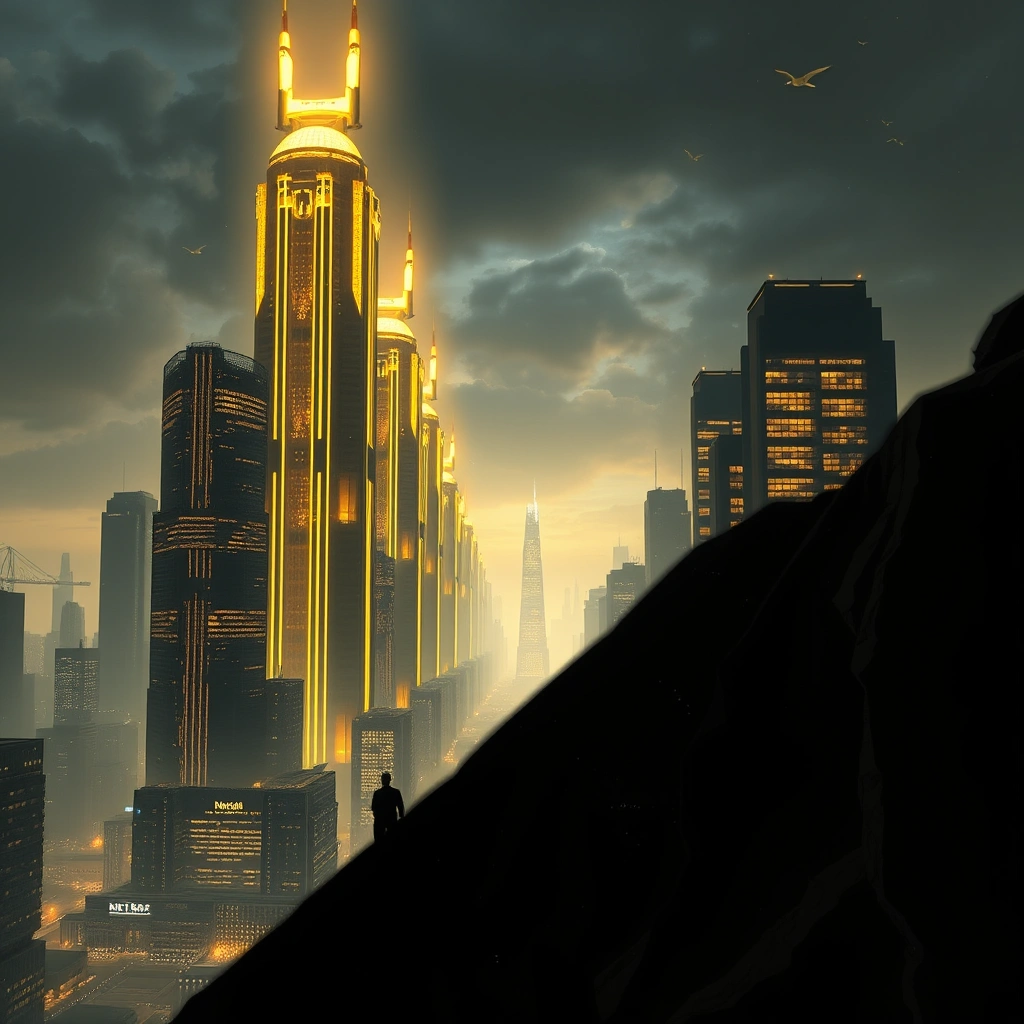
The number of billionaires worldwide has surged past 3,000, with combined wealth exceeding $12 trillion. This concentration of economic power is unprecedented since the Gilded Age of the late 19th century. From Silicon Valley tech moguls to Asian industrial magnates, the super-rich are not just accumulating fortunes but also shaping political landscapes, funding space exploration, and influencing global philanthropy.
Taxation and Inequality
Critics argue that billionaires often pay lower effective tax rates than middle-class workers, thanks to loopholes and offshore accounts. Governments worldwide are grappling with proposals for wealth taxes, but progress has been slow. Meanwhile, the COVID-19 pandemic highlighted stark inequalities, as billionaire wealth soared while millions lost jobs.
Political Influence
With vast resources, billionaires can sway elections, lobby governments, and even fund their own political campaigns. Countries like the United States have seen super-PACs and dark money groups amplify elite influence, raising concerns about the erosion of democratic processes.
Philanthropy vs. Philanthrocapitalism
Many billionaires, including Bill Gates and Warren Buffett, have pledged to give away most of their wealth through the Giving Pledge. However, critics call this ‘philanthrocapitalism,’ arguing that it allows the rich to set public agendas without democratic oversight.
The debate over billionaires is likely to intensify as wealth gaps widen. While some see them as job creators and innovators, others view them as symbols of systemic inequality. The question remains: Can billionaires coexist with a healthy democracy?
Leia também
A Ascensão Silenciosa: Como os Bilionários Estão Redefinindo o Poder no Século XXI
De impérios tech a fortunas hereditárias, uma análise profunda do impacto econômico, social e político dos super-ricos em um mundo cada vez mais desigual.
Bilionários em 2026: Os Novos Donos do Mundo e as Apostas que Redefinem o Futuro
De inteligência artificial a exploração espacial, a nova geração de magnatas não apenas acumula riqueza, mas também exerce influência política e social, moldando o amanhã.
Império dos Bilionários: Como a Fortuna dos Super-Ricos Está Redefinindo o Século 21
Uma análise profunda sobre a crescente influência dos bilionários na economia global, política e sociedade, e o que isso significa para o futuro.